
The Importance of a Home Office
In the current landscape of work dynamics, establishing a dedicated home office space has transitioned from a mere luxury to a fundamental necessity for fostering productivity. The rise of remote work has emphasized the need for an organized workspace that distinctly separates professional responsibilities from personal leisure. A well-defined home office can significantly impact an individual’s motivation and focus, providing a sanctuary that promotes efficiency.
One primary psychological benefit of having a home office is the creation of boundaries. By designating a specific area within one’s living environment solely for work, it becomes easier to mentally shift from relaxation to professional engagement. This separation helps to reduce distractions commonly faced in a non-designated workspace, making it more straightforward to concentrate on tasks at hand. Studies have shown that individuals who work in a dedicated space exhibit improved focus and are generally more productive compared to those who work from a couch or a dining table.
From a practical standpoint, a well-organized home office setup can significantly enhance workflow efficiency. Featuring suitable furniture, lighting, and equipment allows for a streamlined operation where everything needed is at hand, reducing time spent searching for tools or documents. Moreover, a clutter-free and aesthetically pleasing workspace can contribute positively to one’s mood, further fostering a productive atmosphere. As remote work continues to flourish, having a functional workspace is not just advantageous but essential for employees’ overall performance and well-being.
In essence, the establishment of a home office is a critical factor in optimizing productivity, reflecting a shift in how individuals approach their work in a rapidly changing professional environment. By recognizing its importance, one can leverage the benefits of an organized space to enhance both productivity and personal satisfaction.
Choosing the Right Location
Establishing an efficient home office starts with selecting the ideal location within your living space. One of the primary factors to consider is noise levels. A quieter area can significantly enhance focus and minimize interruptions, making it conducive to productivity. Rooms away from high-traffic zones, like living areas and kitchens, may serve as preferable choices. If a separate room is not available, partitions or even specific corners of a room can be utilized to create a more isolated environment.
Another crucial element to take into account is natural light. Research indicates that exposure to natural light can boost mood and enhance concentration. Thus, choosing a location with ample daylight can make working more enjoyable and efficient. Consider positioning your workstation near windows or in areas where sunlight will permeate throughout the day. However, it is also essential to balance this with the need to manage glare on computer screens, so ensuring that the light is diffused effectively may be necessary.
Isolation from distractions is also vital for maintaining productivity. Identify any common distractions in your home, such as television noise, family activities, or even clutter that might detract from your focus. It may be beneficial to select a location that separates professional tasks from personal life, which can help establish boundaries. Finally, consider how your chosen location will affect your work-life balance. Having a dedicated office space can help compartmentalize work hours from personal time, allowing you to switch off after the workday concludes. Assessing your home layout critically will guide you in finding an optimal space that fosters productivity and well-being.
Essential Furniture and Ergonomics
Creating a productive home office environment hinges significantly on the selection of suitable furniture and the implementation of ergonomic principles. The centerpiece of any effective workspace is undoubtedly the office chair. An ergonomic chair is designed to support the lower back and promote good posture. Such features as adjustable height, lumbar support, and a reclining function are crucial for long hours of work, as they reduce the risk of developing musculoskeletal disorders.
Equally important is the desk. An ideal desk should provide ample workspace while allowing for comfort and organization. A desk that is too high or too low can force the body into unnatural positions, leading to discomfort and decreased productivity. A height-adjustable desk or a standing desk can promote movement and allow for a more dynamic work experience. Alternating between sitting and standing throughout the day can enhance circulation and reduce fatigue, ultimately improving focus.
To complement the main furniture pieces, consider additional accessories that enhance ergonomic benefits. Monitor risers can help position computer screens at eye level, thereby minimizing neck strain. Also, a keyboard tray may offer better wrist positioning to prevent repetitive strain injuries. If space permits, incorporating a small sit-stand converter can allow for quick transitions between sitting and standing, encouraging a more active work style.
Moreover, it is beneficial to select furniture made from sustainable materials, reflecting a commitment to environmental well-being while ensuring your personal comfort. Investing in quality ergonomic furniture not only supports physical health but can significantly enhance overall productivity in the home office setting. Selecting the right pieces is a fundamental step in fostering a conducive and efficient work environment.
Creating a Distraction-Free Environment
Establishing a productive home office requires an environment that minimizes distractions and promotes focus. To achieve this, one of the foremost strategies is decluttering the workspace. A tidy office can significantly enhance concentration and reduce mental fatigue. Begin by removing unnecessary items from your desk, retaining only essential tools like your computer, notepads, and pens. Implement storage solutions, such as filing cabinets and organizers, to keep documents and supplies in order. Regularly assessing the workspace for clutter can prompt a more efficient layout and improve the overall atmosphere.
Another effective method to maintain focus is to incorporate noise-canceling solutions. Home environments often present various auditory distractions—from household chores to family conversations. Investing in good-quality noise-canceling headphones can help filter out unwanted sounds and create a personal bubble conducive to productivity. Additionally, consider using soft background music or white noise to further drown out any distracting sounds. These auditory measures allow for a more immersive work experience, fostering increased concentration and effectiveness during work hours.
Setting boundaries with household members is also crucial in creating a distraction-free zone. Communicating your work hours and the importance of uninterrupted time to family or roommates helps establish a support system for your productivity goals. Consider placing a “do not disturb” sign on your door or designating specific times for discussions or interactions. Such boundaries reinforce the message that while working from home offers flexibility, it equally demands dedication and respect for personal focus. Together, these strategies can empower you to take control of your environment, ultimately enhancing your productivity and work satisfaction.
Optimizing Technology and Tools
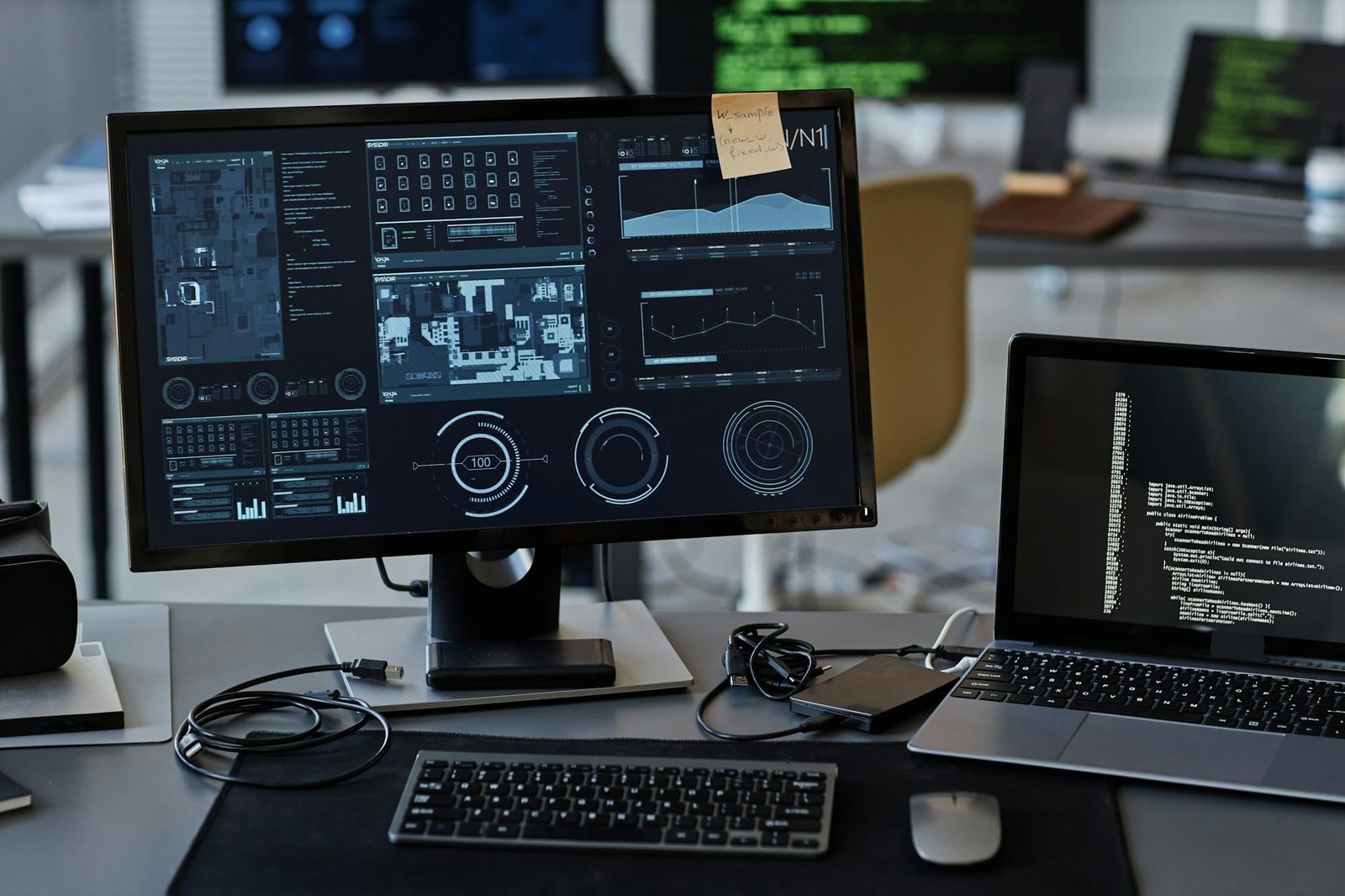
Creating an efficient home office necessitates the right selection of technology and tools, which play a pivotal role in enhancing productivity. At the heart of your setup should be a reliable computer. Whether you opt for a desktop or a laptop, ensure it possesses sufficient processing power and memory to handle your tasks effectively. This could include anything from running complex software applications to managing multiple browser tabs simultaneously.
In terms of software, productivity suites such as Microsoft Office or Google Workspace are essential for document creation, spreadsheets, and presentations. Additionally, incorporating task management tools like Trello or Asana can help streamline project workflows, enabling you to track deadlines and responsibilities systematically. These applications are designed to boost organizational efficiency, allowing you to focus better on your work.
Communication is another vital aspect of remote work. Utilizing tools such as Slack, Zoom, or Microsoft Teams facilitates seamless collaboration with colleagues, ensuring that team members remain connected, regardless of their locations. These platforms offer features like video conferencing, instant messaging, and file sharing, which significantly reduce misunderstandings and enhance collaborative efforts.
Furthermore, investing in productivity apps can further bolster your efficiency. Tools like Evernote for note-taking and Todoist for task management can help keep everything organized and easily accessible. Additionally, employing time management applications such as RescueTime can provide insights into how you spend your time, allowing for adjustments that foster better focus.
Lastly, consider ergonomic accessories such as an adjustable chair, monitor stands, and keyboard supports to create a comfortable workspace. A well-optimized home office that integrates the right technology and tools can indeed lead to significant gains in productivity, allowing you to work efficiently while maintaining a healthy balance in your work-life dynamics.
Incorporating Personalization and Comfort
Creating a home office that fosters productivity requires more than just functional furniture and technology; it involves infusing the workspace with elements that reflect individual style and preferences. Personalization plays a crucial role in making the environment feel welcoming and motivating. One effective way to achieve this is by integrating personal items that resonate with the individual. These could range from family photographs to travel souvenirs, which can evoke positive emotions and memories, consequently enhancing focus and motivation during work hours.
In addition to personal items, decorative touches can transform a sterile workspace into an inspiring sanctuary. Artwork, plants, and aesthetically pleasing organizational tools not only contribute to the overall ambiance but also serve as visual stimuli that can spark creativity. For example, hanging a piece of art that one admires can provide a moment of contemplation, which can be crucial during long working hours. Moreover, incorporating greenery, such as indoor plants, can elevate mood and improve air quality, which are both beneficial for sustained productivity.
Comfort is another essential aspect of a personalized workspace. Ergonomic furniture, like adjustable chairs and desks, is vital to ensure physical well-being during work. Additionally, soft textiles such as throw pillows or blankets can add warmth to the environment, making one feel more at ease. It is also beneficial to consider elements like lighting; using natural light or soft, adjustable lighting can enhance the mood and reduce eye strain, further contributing to comfort. By thoughtfully merging personalization and comfort in the home office, individuals can create a conducive atmosphere that elevates both their productivity and overall work experience.
Organizing Your Workflow
Establishing a well-organized workflow is paramount for maximizing productivity in a home office setting. One technique that has gained popularity is the use of Kanban boards. This visual task management tool helps individuals map out their tasks, ensuring clarity on what needs to be accomplished. By categorizing tasks into three key sections – ‘To Do,’ ‘In Progress,’ and ‘Done’ – you can easily track and manage your workload. Utilizing a physical board or a digital equivalent allows for flexibility and adaptability as priorities change throughout the day.
In conjunction with Kanban boards, digital task management tools such as Trello, Asana, or Monday.com can effectively streamline workflows. These platforms allow users to set deadlines, assign tasks, and communicate with team members, creating a centralized hub for your projects. Integrating such tools into your daily routine not only keeps you organized but also provides a clear overview of ongoing responsibilities, ensuring no task is overlooked.
Another effective method for organizing your workflow is time-blocking, a strategy that involves allocating specific blocks of time to different tasks or activities throughout your day. By assigning distinct periods for focused work, meetings, and breaks, you create a structured routine that minimizes distractions and enhances productivity. Moreover, it is essential to build in buffer times to accommodate unexpected interruptions or tasks that may require additional attention.
Combining these techniques fosters a comprehensive approach to organization within your home office. By employing Kanban boards, leveraging digital task management tools, and utilizing time-blocking strategies, you can create a disciplined workflow. As a result, you will be better equipped to tackle work tasks efficiently, enabling sustained productivity in your home office environment.
Maintaining Work-Life Balance
Establishing a healthy work-life balance is essential for sustaining productivity in a home office environment. One of the most effective strategies in this regard is to set clear work hours. By defining specific start and end times for the workday, individuals can create a structured routine that mirrors a traditional office setting. This structure helps in delineating the boundaries between professional responsibilities and personal life, thereby promoting a sense of normalcy and reducing the likelihood of extended work hours leading to fatigue.
In addition to setting work hours, developing downtime rituals is vital. These rituals signal the end of the workday and allow individuals to transition effectively into personal time. Simple practices such as shutting down the computer, taking a short walk, or engaging in a calming activity can help signal to the brain that the workday has concluded. This psychological shift is crucial for mental separation between work and home life, and it fosters relaxation, enabling individuals to recharge for the next day.
Furthermore, techniques for transitioning between work and personal life can significantly aid in maintaining balance. For example, designating a specific area of the home as a workspace can help reinforce the distinction between work and leisure. This physical separation is instrumental in minimizing distractions during work hours and encourages a clearer boundary when the workday is over. Practicing mindfulness or setting aside time for regular exercise are other effective methods that relieve stress and prevent burnout.
Ultimately, achieving work-life balance while working from home requires intentionality and proactive measures. By structuring work hours, establishing downtime rituals, and employing effective transition techniques, individuals can successfully navigate the challenges of remote work and prioritize their well-being.
Continual Assessment and Adaptation
Creating a productive home office requires ongoing evaluation and flexibility. The initial setup may seem effective at first, yet as work habits evolve and personal circumstances change, adjustments may be necessary to maintain or enhance productivity. Regularly assessing the office space permits individuals to identify what aspects are beneficial and which elements may hinder efficiency.
Begin by setting aside time each month to reflect on your workspace arrangement and its functionality. Consider how your current setup accommodates your work tasks; for instance, is the furniture supportive, is the technology up to date, and are there sufficient organizational tools available? Taking notes on any challenges faced during this reflection can clarify necessary changes. Incremental improvements could include rearranging furniture to improve accessibility or investing in ergonomic devices to enhance comfort while working.
Moreover, integrating a feedback loop is vital for continuous adaptation. This could involve checking in with colleagues or seeking input from family members regarding office usability if shared spaces are involved. Engaging external perspectives can reveal blind spots in one’s office setup. Additionally, observing productivity patterns can be enlightening—understanding when peak focus times occur may suggest changes in lighting or noise levels that better align with personal productivity rhythms.
Ultimately, the objective is to cultivate an environment that fosters sustained efficiency and aligns with evolving work needs. Flexibility in your workspace is key; don’t hesitate to make changes whenever you notice declines in concentration or motivation. By committing to a cycle of assessment and adaptation, you can ensure the home office remains conducive to accomplishing tasks while supporting your overall well-being in a remote work setting.